
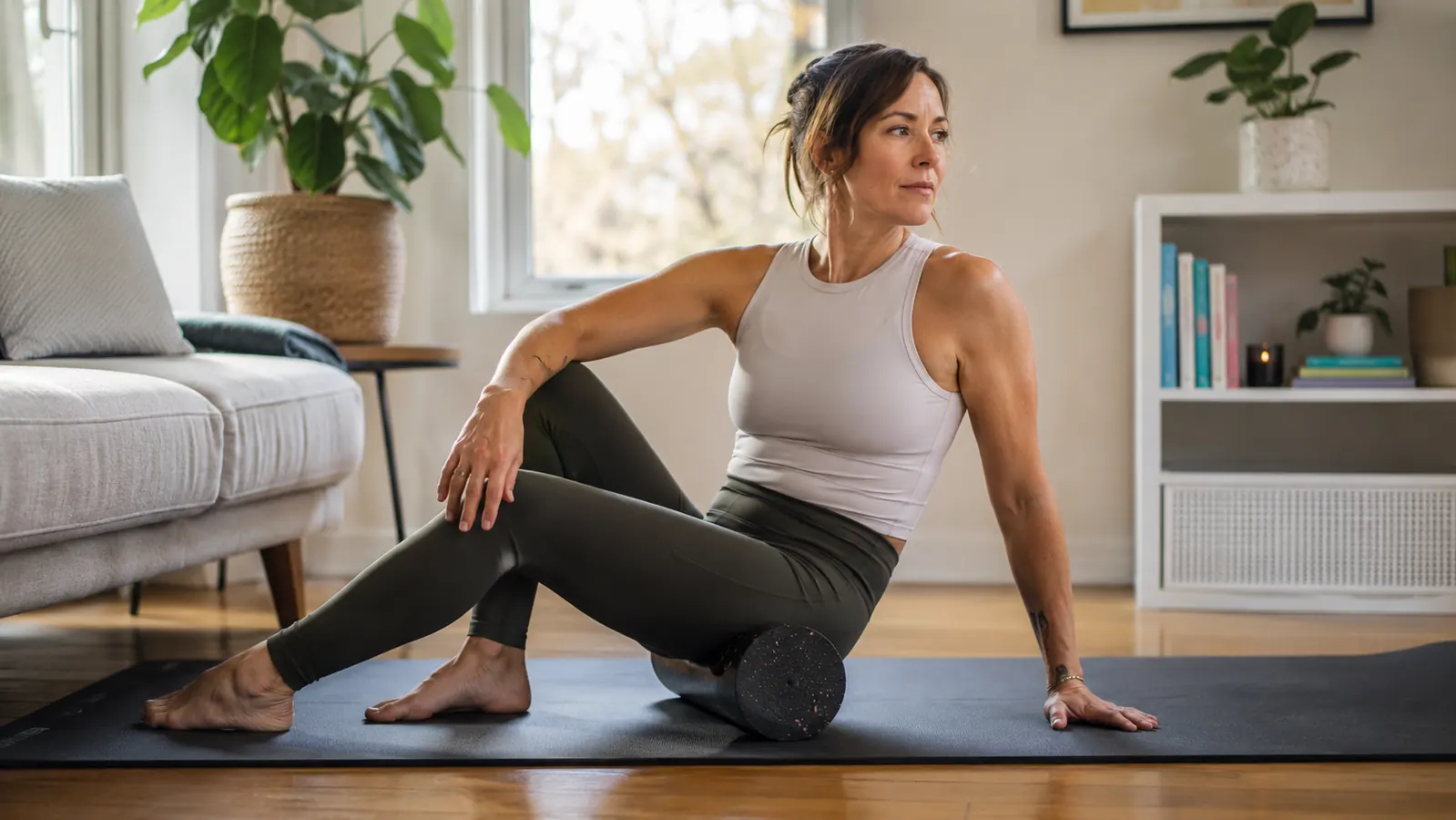
I bought my first 321 Strong foam roller in October of last year, mostly out of desperation. My calves were so tight from back-to-back open houses that I was limping to my car by 4pm. My massage therapist was great, but she was also expensive per visit and booked out three weeks. Something had to give. A friend mentioned foam rolling and I rolled my eyes a little, but I also bought one that night for well under list. That was eight months ago, and the roller is still sitting next to my couch where I roll out before bed most nights.
I am not going to tell you it is magical. It is a cylinder of dense foam. But eight months of consistent use has taught me exactly what the 321 Strong does well, where it falls short, and whether someone like me, a realtor on her feet all day with six kids and exactly 12 free minutes at night, actually keeps using it. Spoiler: I do. Here is the full breakdown.
The Quick Verdict
A well-built medium-density roller with enough texture to actually work on tight muscles, at a price that makes it easy to justify leaving one at home and one in a suitcase.
Amazon Check Today's Price →Your calves are tight and your next massage appointment is three weeks out. The 321 Strong is reasonably priced and ships today.
Over 41,000 Amazon reviews. Medium density that works on real adults with real muscle tension, not just people doing light yoga.
Amazon Check Today's Price on Amazon →How I Have Used It Over Eight Months
My routine is simple because my schedule does not allow for complicated. Most nights I get about 10 to 15 minutes before I need to be in bed. I start on my calves, move to my IT bands, spend a few minutes on my thoracic spine (that is the upper and mid back area, for anyone who, like me, spent a lot of time googling 'why does my upper back hurt so much'), and finish with my hip flexors if I showed more than four houses that day. On travel weeks, the roller comes with me in a checked bag. It has been through probably a dozen flights.
I tracked my soreness on a simple 1-to-10 scale in my phone notes for the first few months, mostly because I wanted to know if I was wasting my time. Month one I was still at about an 8 most evenings. By month three I was consistently landing at a 5 or 6. By month seven the baseline had dropped to about a 3 on normal weeks. I want to be careful about attributing all of that to the roller, because I also started doing more intentional stretching and sleeping better. But the nights when I skip rolling, I feel it the next morning.
I have used it on carpet, on hotel room floors, on tile in my bathroom when I was getting ready and realized my hips were killing me. The non-porous foam does not absorb sweat or dirt, which matters when you are rolling on a hotel floor at 11pm and would prefer not to think too hard about it.
The Surface Texture: What Those Ridges Actually Do
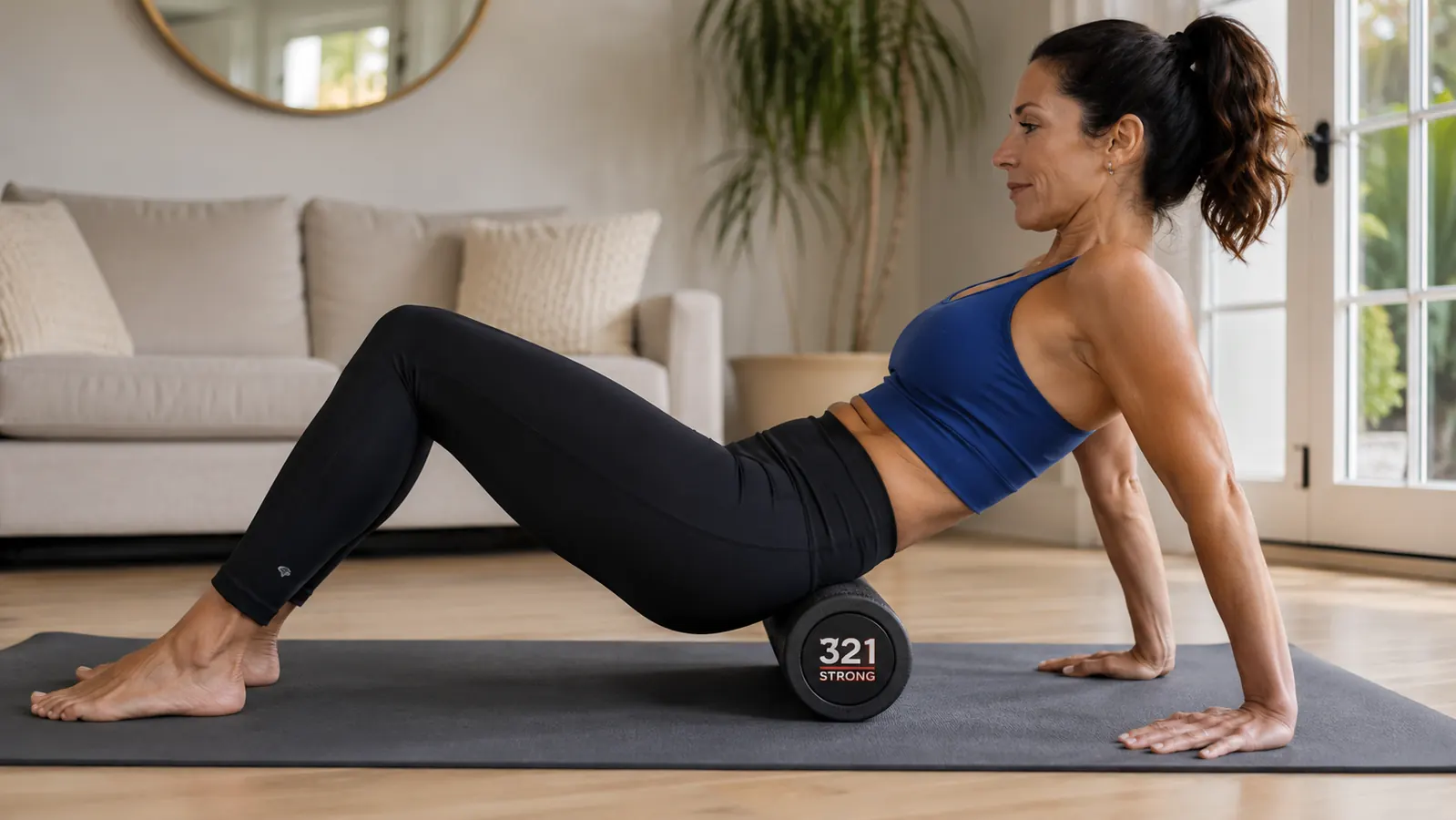
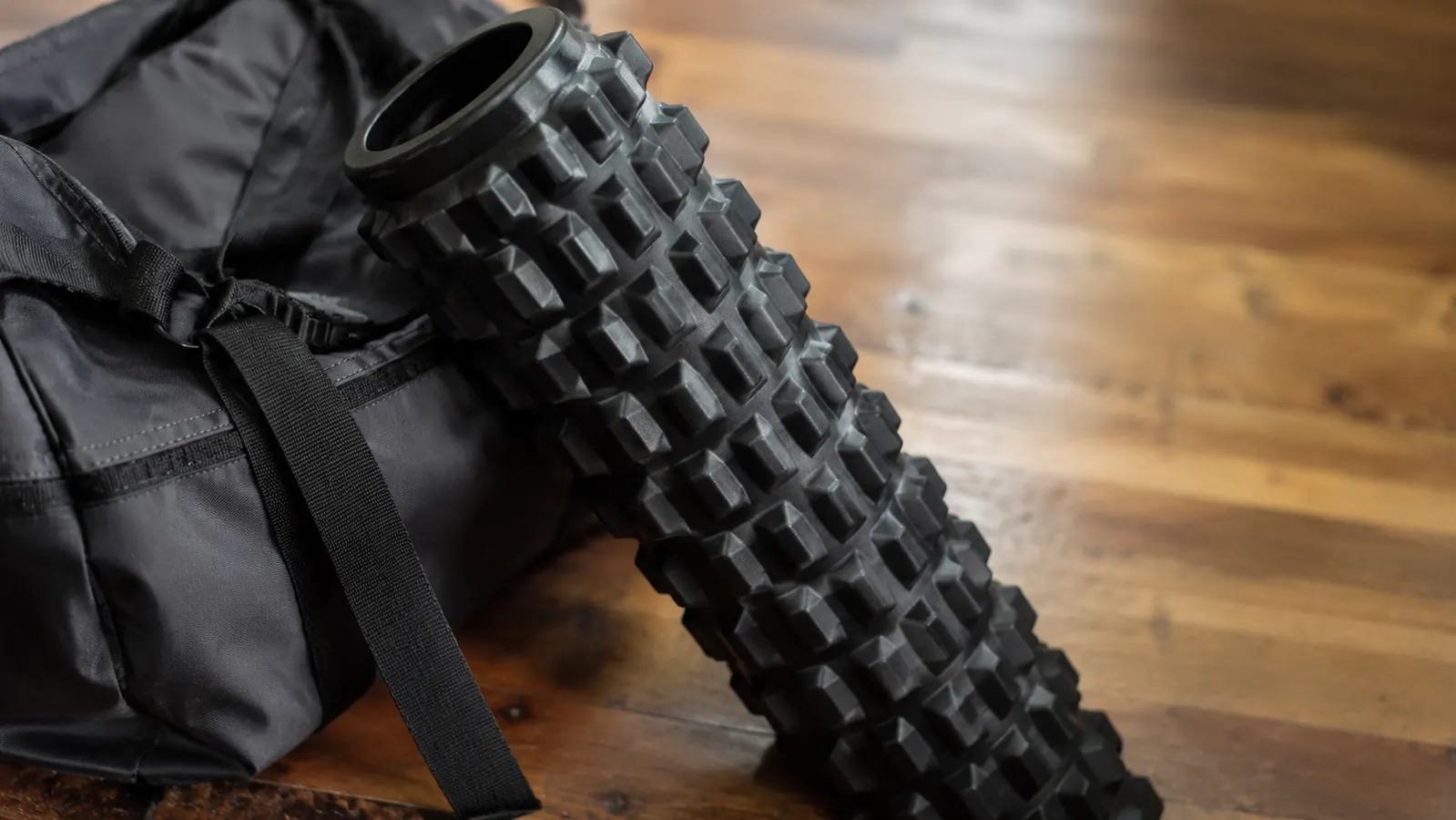
The 321 Strong has a grid pattern on the surface, raised ridges that run in different directions. When I first pulled it out of the box I thought it looked uncomfortably aggressive, like a medieval torture cylinder. In practice it hits the right middle ground. It is firmer than a smooth roller but not so extreme that you are white-knuckling it through every pass. The ridges help dig into trigger points in a way that a smooth surface just does not.
For context, I have also tried a fully smooth roller and a Trigger Point Grid. The smooth roller felt pleasant but barely made a dent in my IT bands. The Trigger Point Grid has deeper, more aggressive channels that I found uncomfortable on my calves on bad days. The 321 Strong lands between those two, which for most people in most situations is probably the right answer. If you want a deeper comparison, I went into more detail in my 321 Strong vs Trigger Point Grid breakdown.
One thing I noticed around month four: I started being able to tolerate more pressure on areas that used to be too tender to roll. That is a sign the tissue is actually responding. A smooth roller might not have gotten there.
The ridges help dig into trigger points in a way that a smooth surface just does not. It is firmer than a smooth roller but not so extreme that you are white-knuckling it through every pass.
Density and Durability Over Time
Foam rollers can compress and go soft over time, especially cheap ones. After eight months of near-daily use, the 321 Strong feels essentially the same as it did on day one. I have read other reviewers who report the same thing at 12 and 18 months. The outer shell is a firm EVA foam over a hollow ABS plastic core, which is what keeps it from going squashy. That hollow core also means it weighs almost nothing, which matters when you are packing it.
The surface texture has held up well too. I expected the ridges to smooth out with use but they still feel distinct when I press into them. I wipe mine down with a damp cloth every week or so and that is about all the maintenance it needs.
Where It Actually Helped Me: Specific Results
Calves first, because that is where I started and where I see the most consistent improvement. After a day of showing houses I can feel the tissue in my calves when I press my thumb in, that tight ropy feeling. Ten minutes on the roller, starting slow and finding the spots that make me catch my breath, and I wake up the next morning with noticeably less residual tightness. It is not instant and it is not complete, but it is real.
Upper back has been the bigger surprise. I had a knot on my right side between my shoulder blade and spine that had been there for probably two years. I started doing thoracic spine extensions over the roller, basically draping my back over it and letting gravity do some work. Within about six weeks that specific spot had loosened considerably. Again, I added some other stretches at the same time, but the roller played a role I did not expect.
Hip flexors are a work in progress. I will be honest: rolling hip flexors is awkward and takes some experimenting with position. The roller helps but it is not a magic fix for hips that spend most of the day in a car seat or in client meetings. If you are serious about hip mobility, foam rolling is one piece of a bigger picture. I dig into this more in the reasons foam rolling actually works for recovery article if you want the fuller picture.
The Downsides Worth Knowing Before You Buy
The 321 Strong is not the right tool for everything. IT band rolling is still uncomfortable to the point that I have to go slow and mentally talk myself through it. That is partly just the IT band being a stubborn piece of connective tissue and not really the roller's fault, but if you are expecting a purely comfortable experience on your outer thighs, manage your expectations.
The 13-inch length (the standard size) is fine for calves and thoracic spine work but feels a little short for full leg passes. There is a 24-inch version available for a bit more, and if I were buying again I might go longer. At 5'7" the 13-inch means more repositioning.
Also worth noting: this is medium density, not firm. If you are a serious athlete with very dense leg muscles and you are looking for something that can really dig deep, you may want something firmer. The 321 Strong is well suited to the 35-55 crowd with normal desk-and-activity life muscle tension. Power lifters and competitive runners might want to look at a higher-density option.
What I Liked
- Grid texture hits trigger points better than smooth rollers at this price
- Holds density after eight-plus months of daily use, no soft spots
- Lightweight hollow core makes it easy to pack for travel
- Non-porous surface cleans up quickly and does not absorb sweat or odor
- Budget-friendly makes it easy to buy a second one for the office or gym bag
- Comes with a 4K eBook with technique guidance, which is actually useful if you are new to this
Where It Falls Short
- 13-inch standard length feels short for full-leg passes if you are average height or taller
- Medium density may not be aggressive enough for serious athletes with very dense muscle tissue
- IT band rolling is still uncomfortable, not the roller's fault but worth knowing
- Rolling hip flexors requires patience and some trial and error with positioning
Who This Is For
This roller was made for someone who needs recovery to happen in real life, not in an ideal gym setting with 45 minutes of post-workout time. If you are on your feet all day, fitting workouts into the margins, and dealing with the kind of muscle tension that comes from a full schedule rather than a dedicated training program, the 321 Strong is a very good fit. It is also a strong first foam roller if you have never used one. The medium density means you will actually be able to use it consistently without dreading every session.
Parents, frequent travelers, people who stand for work, anyone who sits in a car for hours at a stretch, and anyone who has thought about getting a massage more often but cannot make the time or budget work regularly. That is the 321 Strong's core audience, and I am squarely in that group.
Who Should Skip It
If you are an experienced athlete who already owns a firm roller and wants something more intense, the 321 Strong will probably feel too mild. It is a medium density tool and it does not pretend to be otherwise. Competitive runners, CrossFit athletes, and anyone who regularly deals with serious post-training soreness in very dense muscle groups should look at firmer options or a dedicated percussion device.
Also, if you have an acute injury, foam rolling is not the answer. I am talking about chronic everyday tension and the kind of tightness that builds up from being active and busy. Rolling over an inflamed area or a fresh strain is not helpful and can make things worse. If something genuinely hurts, see someone who can actually assess it.
Eight months in, I still reach for this thing most nights. At a budget price, it has paid for itself many times over in skipped massage appointments.
The 321 Strong foam roller currently ships free with Prime and comes with a usage guide eBook. Worth having before the next time your calves feel like concrete.
Amazon Check Today's Price on Amazon →